When life hands you eggs, …

Make omelettes.  Or egg tempera.

Eggs have played many roles in the history of painting.  Egg white used as a medium, called glair (Scrabble ammo, that), was favored by icon painting.   Robert Gottsegen says that most easel painting prior to the rise of oil paint contains egg yolk.

Both whites and yolks make strong films and can be used apart from, inter-layered with, and mixed with oils.  Andrew Wyeth is perhaps the best known painter in tempera.

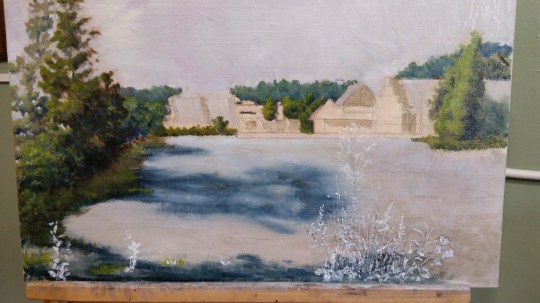
I decided to do a patch of foliage first in yolk tempera, then glazed in oil.  Here’s the tempera stage with cremanence white and calcium carbonate.

I’m after a sense of lightweight resilience that weeds so often display.  In terms of imagery that means transparent paint punctuated with opaque places.

bck02

In terms of realism, it means making the plants sit proud of the surface of the painting.  I’m hoping the egg will provide a more delicate relief than would a plain grisaille.


WildArt I

I’m putting a Roman numeral after the title because I hope we can do it again next year. Good times and lots of money raised for the Appalachian Wildlife Refuge.  Bye the way, if anyone has 10 acres or so to donate for their wildlife rehab facility, look them up: you can write it off: http://www.appalachianwild.org/donate.html.

afrows

From the after-event press release:

Asheville, North Carolina – The inaugural Wild Art event held Saturday August 6, 2016 raised funds and friends to help native wildlife thanks to support from regional artists, Addison Farms Vineyard, dedicated volunteers and the community. Guests enjoyed meeting with artists to learn about their work created at the vineyard and other pieces inspired by nature. Artist Tony Corbitt was set up next to the Animal Ambassador tent during the event and painted the visiting Eastern Screech Owl from the May Wildlife Rehabilitation Center in Banner Elk.

The event was a fundraiser and outreach opportunity for the nonprofit Appalachian Wildlife Refuge working to open a facility to help injured and orphaned wildlife. “We are so thankful to John Mac Kah, Paul Blankinship and all the other artists that attended and donated a portion of the art sales to Appalachian Wild,” shared President and Co-Founder Kimberly Brewster. The nonprofit also held a raffle and had items available for purchase that raised over $1,500.

Nb, the baby robin spotted on the ground by gimlet-eyed fellow Saint of Paint, Dana Irwin. As he was too young to fly, he was returned to his nest instantly.

robin

I asked how common it was for robins to breed this late in the year and was told by a show attendee, “if it required permission, wouldn’t none of us be here.”

Sense and Suspense

Getting a model up off a table top, especially if it’s a living thing, is fun.

It’s slightly less fun to watch the color fade and the leaves curl as I work.  Makes me grateful for classical training. It takes flexibility to learn what the Victorians meant by “paint in a broad manner” and their grandsons, my teachers by “don’t just paint the object, but paint the air around the object, too.”

I’ve got another bough stuck upside down in a Mason jar of water that may retain some color for tomorrow’s session, but I’m not counting on it.  I mixed up a local color as part of a string from shadow to highlight.  It mostly matched, so that’s what I’m going with tomorrow.

Art lets one test one’s logic by one’s senses.

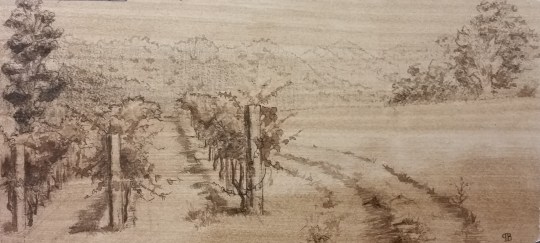
Row on row

These are rows of grapes at the Addison Farms vineyard, whose owner, Jeff Frisbee has been kind enough to host  Wild Art 2016: the Art Show to Benefit Appalachian Wildlife Refuge on August 6 from 12noon to 5pm.  It all happens at 4005 New Leicester Highway, 15 minutes and a whole world northwest of Asheville, NCafrows

For some annual crops, at least, we shall see the row system, maybe even tillage itself, vanish in our lifetimes.  And good riddance, too.

Perennial crops, though, are another matter.  Since the earliest gardens in the Near East, rows and compass points have predominated.  There is something intrinsically reverent and hopeful about the conjunction of geometry, next year and fruit.

Where these things intersect, you can have a culture, because culture demands that someone see life on the side of order and not chaos.

addison01

The Vineyard.  Walnut ink on prepared paper.

Agriculture, culture, cult: these three perdure.

Ensconced at 191 Lyman St., No. 249

New studio

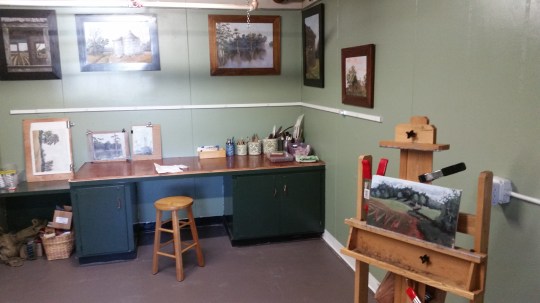
I have rented a studio in Asheville, NC’s River Arts District.  It’s in Riverview Station at 191 Lyman St., # 249.

Normally I push paint around for fun and profit.  For the past week, it feels like I’ve done it for the sake of character-building.

I expect to open for art classes by July 1 in basic drawing, ink drawing, oils and pastel.

The Saints of Paint

sslogo

My collaborators and I are forming an association to continue our work of mounting benefit art shows for non-profits.

Together, we are the Saints of Paint: John Mac Kah, our visionary; Christine Enochs, our internet publicist; Dana Irwin, who makes us look good; and me, the chief cook and bottle-washer.

Our first show produced under this name will benefit Appalachian Wildlife Refuge and will be held in early August at Addison Farms Vineyard, a beautiful site just northwest of Asheville in Buncombe County, North Carolina. The Refuge is raising funds for a new rescue facility for the treatment and release of injured wildlife.

Details on the show to come.

We were inspired (and advised, too!) by the Oak Group, a few landscape painters in California and SCAPE, a larger group which works in the same area.  Both groups have contributed mightily to the stewardship of the landscape they paint.

Like them, we aim to continue paying bills, making culture and doing good.

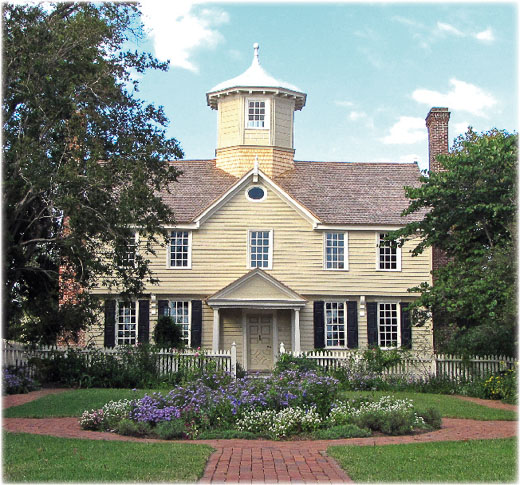
Today I’m in Edenton, painting to benefit The Cupola House, a 1758 landmark.  Wish us luck, and stop by.

Northeastern NC imagery:

Farmhouse outside Edenton. Oil on paper. 12 x 16"

Farmhouse outside Edenton. Oil on paper. 12 x 16″

The Cupola House

Photo by Mary Kay Coyle at http://cupolahouse.org

Continue reading

In due time

Making statements

One of my teachers, Rebecca Hawkinson, used to remind me, “every time you touch your canvas, you’re making a statement.”

That’s true whether one means to state anything or not; it holds true for statements good and bad alike, accurate, inaccurate, considered or careless.

What, then of all those lines that surround whole bodies or body parts in master drawings and are clearly not part of the figure at all?

They are questions, or better yet, statements reconsidered.

Four figures in walnut ink

Four figures in walnut ink. 13 x 19″